The transition to renewable energy is often perceived as a story about “clean” technologies and independence from fossil fuels. However, behind the façade of wind turbines lies a less obvious dependence on rare earth elements. These elements have become a key component of modern generators, especially in large-scale installations and offshore wind farms. The more rapidly wind energy develops, the more pressing the question becomes: how sustainable is this model in terms of raw materials?
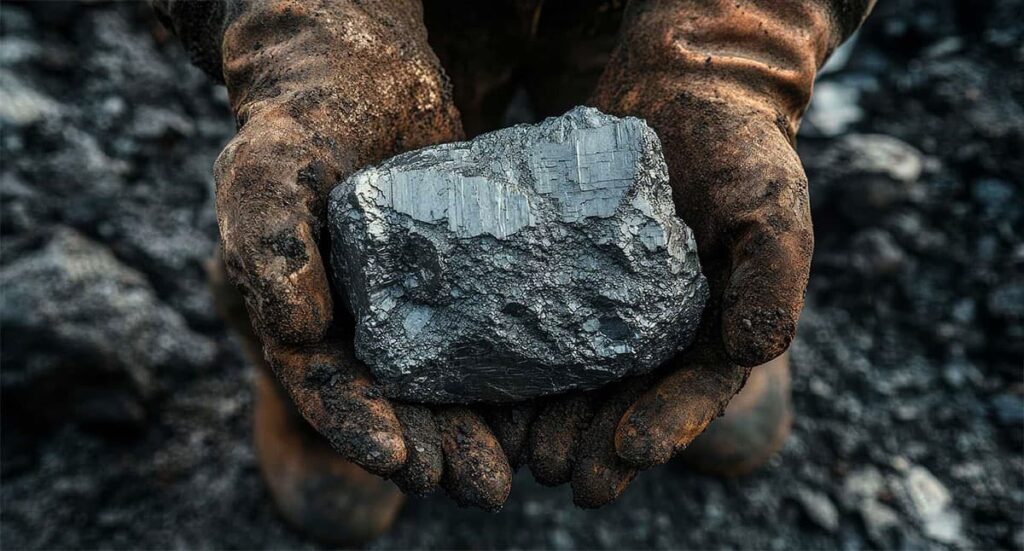
Why Rare Earth Elements Have Become Critical
Modern wind turbines increasingly use permanent magnet generators. Unlike traditional gearbox- and electromagnetically excited systems, they are more compact, lighter, and more efficient at low wind speeds. This has made them the standard for offshore installations and onshore turbines with capacities of 5–15 MW.
The key issue is the composition of the magnet. To achieve high magnetic induction, neodymium-based alloys (NdFeB) are used, which are additionally alloyed with dysprosium or terbium to improve heat resistance. Without these elements, the magnets lose their properties under high loads, thereby reducing the generator’s reliability.
As a result, a single large offshore turbine can contain 500-2,000 kg of rare-earth magnets, and scaling up wind farms can require thousands of tons of critical raw materials. What are they?
| Material | Where is it used | Why do we need it | Major risks |
| Neodymium (Nd) | Permanent magnets for generators | Provides high magnetic force | Mineral production concentrated in a few countries |
| Dysprosium (Dy) | Magnet alloying | Increases heat resistance | Very limited reserves |
| Terbium (Tb) | High-temperature magnets | Stability under peak loads | High cost |
| Praseodymium (Pr) | Alternative to neodymium in alloys | Improves magnetic properties | Difficulty in processing |
Geopolitical and Economic Dependence
Approximately 70–80% of global rare earth element production is concentrated in one country, China, with an even larger share in processing and magnet production. For wind energy, this means supply chain vulnerability, especially in the face of trade restrictions, sanctions, or sharp price fluctuations.
During periods of instability, neodymium and dysprosium prices can increase several-fold within months. For turbine manufacturers, this directly impacts installation costs and project timelines. Investors planning wind farms for 20–30-year operational life must consider not only wind and infrastructure but also commodity risks.
Environmental Issues
Rare earth elements are rarely found in their pure form. Their extraction requires extensive ore processing, the use of acids, and the generation of toxic waste. In some regions of China, mining has already led to the degradation of soil and water resources.
Paradoxically, technologies designed to reduce carbon footprints themselves create significant environmental impacts—just at a different stage in the chain. This is why increasing attention is being paid not only to turbine installation but also to the life cycle of materials.
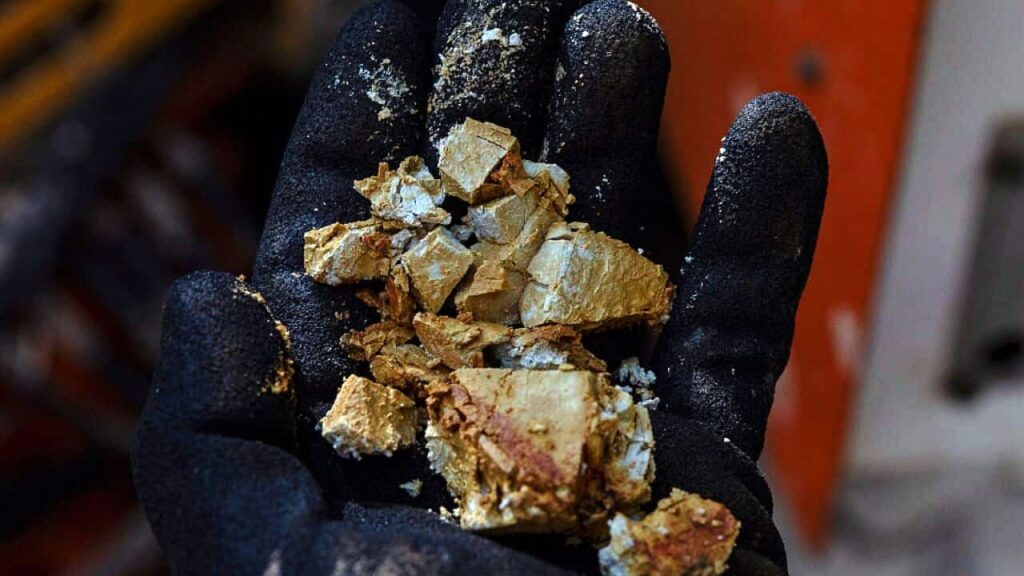
Attempts to Escape Rare Earth Dependency
Engineering and scientific teams have been working on alternatives for several years:
- Generators without permanent magnets. Traditional asynchronous and synchronous generators with electromagnetic excitation do not require rare earth elements. They are heavier and more difficult to maintain, but allow for the complete elimination of critical raw materials.
- Reducing the Dysprosium Content. Modern magnet sintering technologies enable the reduction of dysprosium content by optimizing the alloy structure and generator cooling.
- Magnet Recycling. The recycling of spent turbines is becoming a distinct field. Theoretically, up to 90% of neodymium can be recycled, but in practice, recycling is complex and not always economically feasible.
- Alternative Materials. Ferrite magnets and new alloys are under investigation, but their magnetic density is currently significantly lower than that of NdFeB, thereby increasing generator size.
Rare earth materials aren’t a “fatal limitation,” but they are forcing the industry to change its approach. In the coming years, wind energy development will move in several directions simultaneously: design optimization, diversification of raw material supplies, and a return to simpler yet more reliable engineering solutions where warranted.
The market will likely split: the most powerful offshore turbines will continue to use permanent magnets, whereas some onshore turbines will revert to generators without rare-earth elements. At the same time, the importance of recycling and secondary raw materials will grow—without them, a large-scale energy transition will become too fragile.
Ultimately, the issue of rare earth materials is a reminder that green energy doesn’t exist in a vacuum. It is directly dependent on resources, technology, and the global economy, and the balance among these factors will determine the long-term sustainability of the energy transition.